Have you ever received a message that simply said OFC and wondered what it meant? You’re not alone.
With texting, social media, and online chats becoming a huge part of everyday communication, people often use abbreviations to save time and type faster.
One of the most common abbreviations you’ll see is OFC. It appears in text messages, social media comments, gaming chats, and even casual workplace conversations.
While it may seem confusing at first, its meaning is actually quite simple. Understanding OFC meaning in text can help you avoid misunderstandings and communicate more confidently online.
Whether you’re chatting with friends, browsing social media, or trying to understand internet slang, knowing what OFC means can make digital conversations much easier.
In this guide, we’ll explore the meaning, origin, uses, examples, common misconceptions, and everything else you need to know about OFC in a clear and beginner-friendly way.
What Does OFC Meaning in Text Mean?
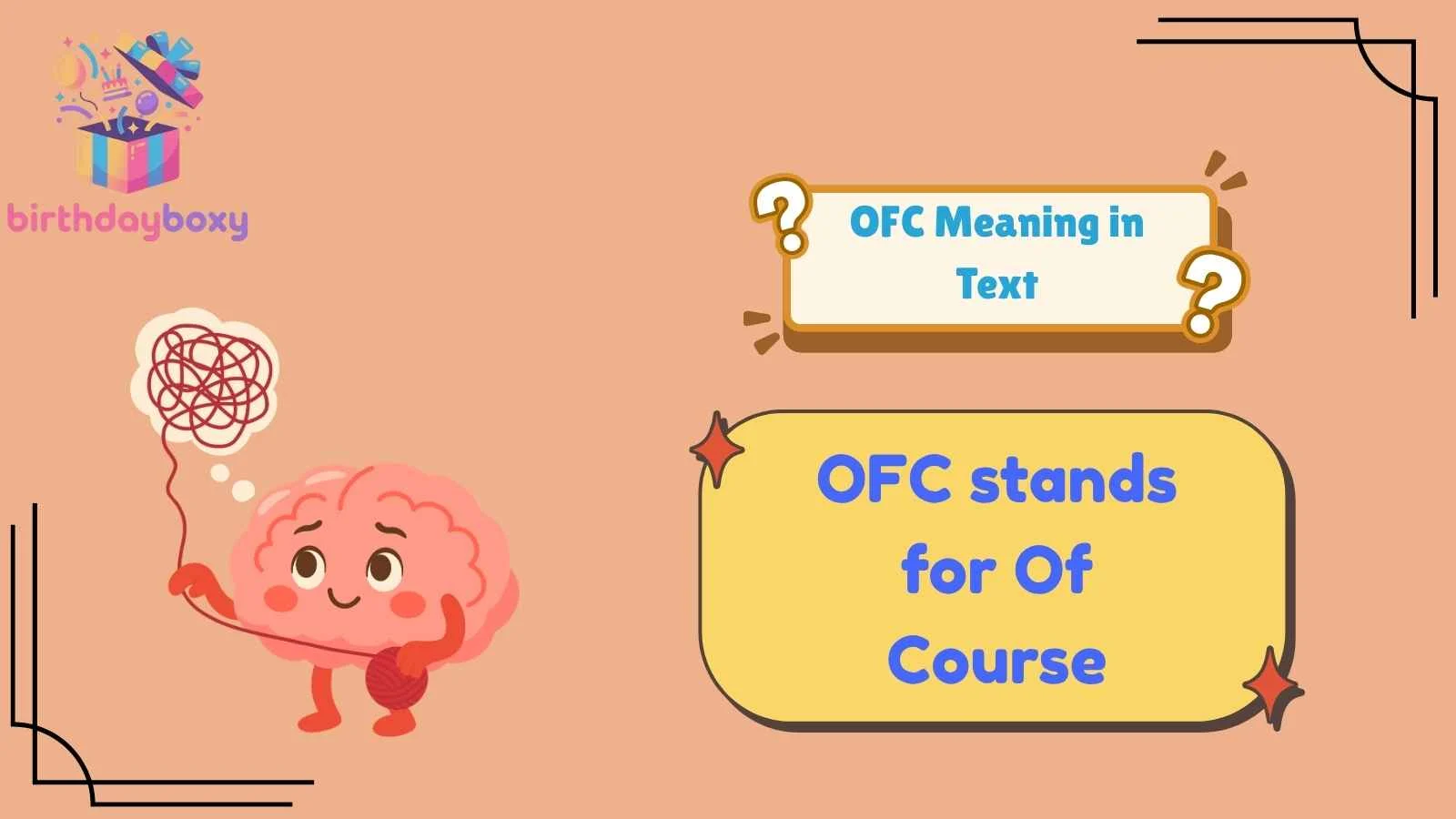
In texting and online communication, OFC stands for Of Course.
People use it as a short and convenient way to express agreement, certainty, or willingness. Instead of typing the full phrase of course, they simply write OFC.
Here are a few simple examples:
- Friend: Can you help me with my homework?
- You: OFC!
- Friend: Are you coming to the party?
- You: OFC, I wouldn’t miss it.
- Sibling: Do you want pizza tonight?
- You: OFC!
In most situations, OFC carries a friendly and positive tone. It often shows enthusiasm, confidence, or reassurance.
Origin and Background of the Term
The story of OFC is closely connected to the rise of digital communication.
Back in the early days of internet chat rooms, online forums, and SMS texting, people faced character limits and slower typing methods. To communicate quickly, users began shortening common phrases.
Just as LOL became short for Laugh Out Loud and BRB became short for Be Right Back, Of Course eventually became OFC.
As smartphones, social media platforms, and instant messaging apps gained popularity, abbreviations became part of everyday online language. Teenagers, gamers, content creators, and social media users embraced these shortcuts because they made conversations faster and more casual.
Today, OFC is recognized across many online communities and is widely understood by internet users around the world.
How OFC Is Used in Daily Life
You might be surprised by how often people use OFC during regular conversations.
Responding to Questions
When someone asks for confirmation, OFC provides a quick answer.
Example:
Are you free tomorrow?
OFC!
Showing Enthusiasm
Sometimes OFC expresses excitement.
Example:
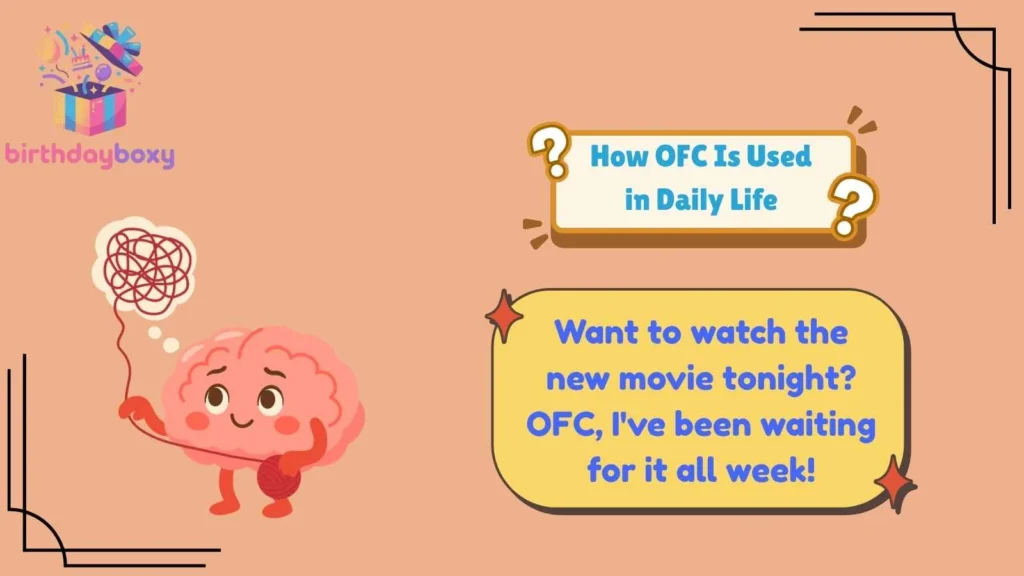
Want to watch the new movie tonight?
OFC, I’ve been waiting for it all week!
Reassuring Someone
People often use OFC to comfort friends.
Example:
Will you support me during the interview process?
OFC, I’m here for you.
Agreeing With a Statement
OFC can show strong agreement.
Example:
Practice makes improvement.
OFC!
Social Media Comments
You’ll often find OFC in comments and replies.
Example:
You’re my favorite creator.
OFC, your content is amazing.
Gaming Conversations
Gamers use OFC frequently during multiplayer matches.
Example:
Can you join our team tonight?
OFC, I’ll be online.
Emotional or Practical Meaning of OFC
While OFC literally means Of Course, its emotional impact can vary depending on the conversation.
In many cases, it communicates:
- Confidence
- Certainty
- Support
- Agreement
- Friendliness
- Enthusiasm
Imagine asking a close friend if they’ll attend your graduation. If they reply with OFC!, the response feels warm and reassuring. It suggests that the answer is obvious because they care about you.
This emotional element is one reason OFC remains popular. It’s short, but it often conveys a sense of closeness and positivity.
In practical terms, OFC also saves time. Instead of typing two full words repeatedly, users can send three letters and still communicate the same message.
Similar or Related Terms
Many internet abbreviations have meanings similar to OFC.
OFC
- Means Of Course.
- Shows certainty or agreement.
Yep
- Casual way of saying yes.
- Less enthusiastic than OFC.
Sure
- Indicates willingness.
- Can sound more neutral.
Absolutely
- Strong agreement.
- More emphatic than OFC.
Definitely
- Expresses confidence.
- Often used in both formal and informal settings.
YUP
- Informal version of yes.
- Common in texting.
For Sure
- Similar meaning to OFC.
- Slightly more conversational.
Each term can express agreement, but OFC often feels faster, friendlier, and more internet-oriented.
Common Misunderstandings About OFC
Despite its simplicity, OFC is sometimes misunderstood.
Misconception 1: OFC Is Always Rude
Some people think OFC sounds dismissive.
Reality: It usually depends on context and tone. Most users intend it as friendly shorthand.
Misconception 2: OFC Is Only Used by Teenagers
Many assume only younger people use it.
Reality: People of all ages use OFC in digital communication.
Misconception 3: OFC Is a Formal Expression
Some believe it can be used everywhere.
Reality: OFC is generally informal and best suited for casual conversations.
Misconception 4: OFC Has Multiple Meanings in Most Texts
While abbreviations often have several meanings, OFC usually means Of Course in everyday messaging.
Misconception 5: OFC Is New Internet Slang
Actually, OFC has existed for many years and became popular during the growth of online messaging.
Misconception 6: Everyone Understands OFC
Not necessarily. Some people unfamiliar with internet slang may not recognize it.
Examples of OFC in Sentences
Here are some natural examples of OFC in everyday communication:
- OFC I’ll help you move this weekend.
- You can borrow my notes, OFC.
- OFC I remember your birthday.
- Want to grab coffee later? OFC!
- OFC she’s excited about the concert.
- Are we still meeting tomorrow? OFC.
- OFC you can join our group chat.
- I asked if he liked the idea, and he said OFC.
These examples show how naturally OFC fits into modern conversations.
Why Understanding OFC Matters Today
Digital communication evolves constantly.
Every year, new abbreviations, emojis, and internet expressions appear. Understanding commonly used terms like OFC helps people stay connected and avoid confusion.
For professionals, understanding casual online language helps when interacting on social platforms or workplace messaging tools.
For parents, learning these abbreviations can provide better insight into how younger generations communicate.
Most importantly, understanding OFC helps you participate confidently in modern digital conversations without feeling left out.
Language is always changing, and internet slang is now a major part of everyday communication. Recognizing common abbreviations keeps you informed and connected in a rapidly evolving online world.
FAQs:
What does OFC mean in simple words?
OFC means Of Course. It is a short way of expressing agreement, certainty, or willingness in text messages and online chats.
Is OFC positive or negative?
Most of the time, OFC has a positive meaning. It usually shows friendliness, support, enthusiasm, or confidence.
Where is OFC commonly used?
OFC is commonly used in text messages, social media comments, online forums, gaming chats, messaging apps, and casual digital conversations.
Is OFC formal or informal?
OFC is considered an informal abbreviation. It’s best used with friends, family, and casual online interactions rather than formal business communication.
Why do people search for OFC meaning in text?
As online language changes over time, many people encounter OFC in messages or social media and want to understand its meaning, usage, and context.
Conclusion:
The OFC meaning in text is simple yet important in today’s digital world. It stands for Of Course and is commonly used to express agreement, certainty, support, or enthusiasm in online conversations.
From text messages and gaming chats to social media comments, OFC has become a natural part of internet communication.
Understanding it can help you navigate conversations more confidently and connect with others more effectively.

Sahil Moosa is a passionate content creator and digital enthusiast with a strong focus on delivering clear, engaging, and trustworthy information. With a keen eye for detail and a commitment to quality, Sahil Moosa believes in creating content that not only informs but also adds real value to readers.
Driven by curiosity and continuous learning, Sahil Moosa enjoys exploring new ideas, trends, and insights across various topics. His goal is to present well-researched content in a simple, reader-friendly way, making complex ideas easy to understand.