Have you ever received a text that simply said WTM? and found yourself wondering what it meant? You’re not alone.
Modern texting is filled with abbreviations, slang, and shortcuts that can sometimes feel like a completely different language.
One of the most common abbreviations people encounter online is WTM meaning in text.
Whether you’re chatting with friends, scrolling through social media, or using messaging apps, you’ve probably seen these three letters appear in conversations.
Understanding internet slang isn’t just about staying trendy. It helps you communicate better, avoid misunderstandings, and connect more naturally with others online.
As digital communication continues to evolve, knowing terms like WTM can make conversations smoother and more enjoyable.
In this guide, you’ll learn exactly what WTM means, where it came from, how people use it, and why it has become such a popular expression in today’s texting culture.
What Does WTM Meaning in Text Mean?
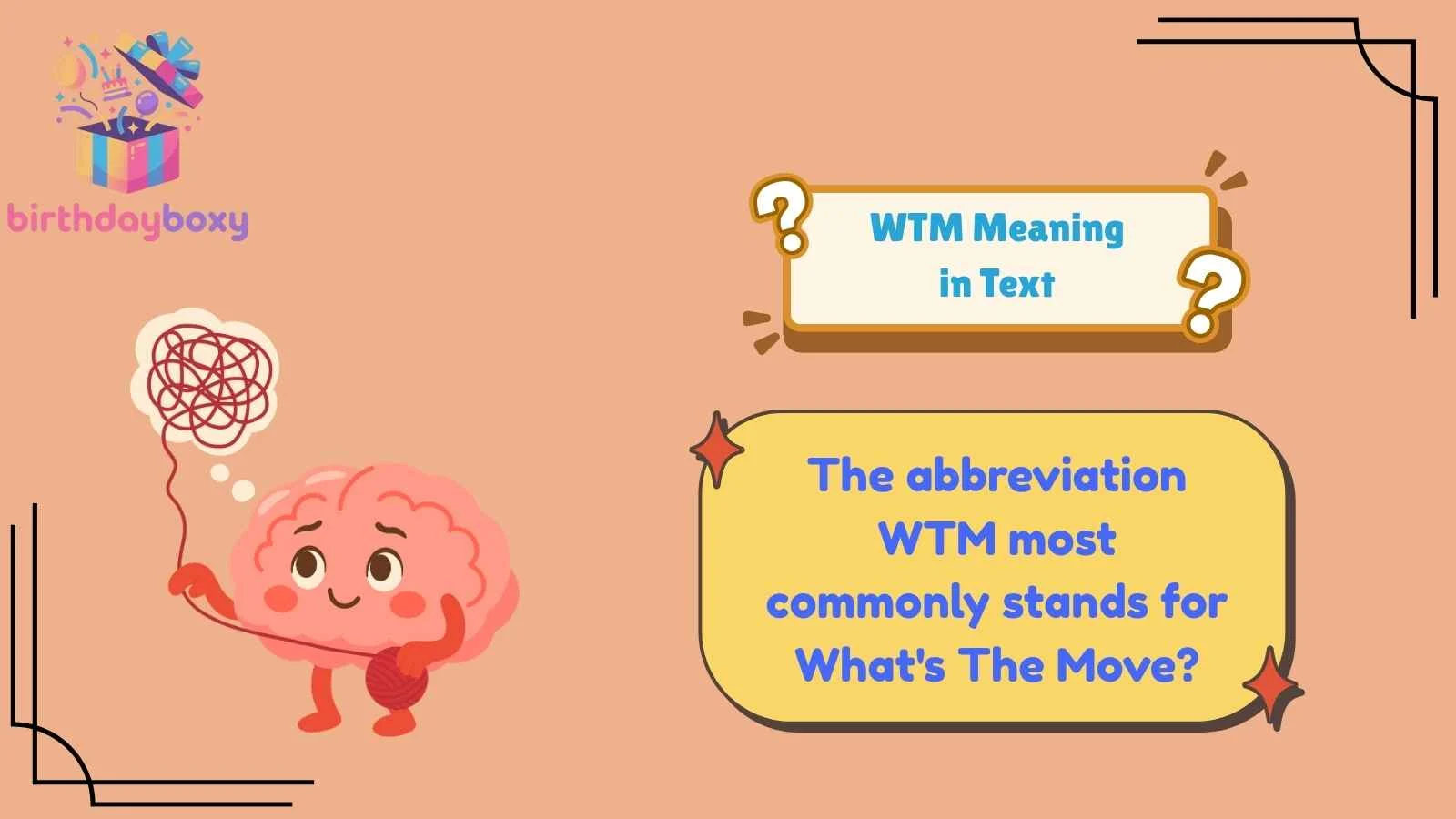
The abbreviation WTM most commonly stands for What’s The Move?
When someone texts WTM?, they’re usually asking what the plans are, what everyone is doing, or what activity is happening next.
Think of it as a casual way of saying:
- What are we doing today?
- What’s the plan?
- Where are we going?
- What’s happening?
For example:
Friend: I’m done with work.
You: Nice. WTM?
In this conversation, you’re simply asking what the plan is after work.
Another example:
Friend: Everyone’s free tonight.
You: Cool, WTM?
Here, you’re asking what activity the group wants to do.
A third example:
Friend: Weekend finally!
You: WTM?
This means you’re curious about weekend plans.
Origin and Background of the Term
Like many internet abbreviations, WTM emerged from the fast-paced world of digital communication.
As texting became more popular during the early smartphone era, people started shortening common phrases to save time and effort. Instead of typing What’s the move? every time, users began writing WTM.
The phrase itself has roots in casual spoken English, particularly among younger generations. In everyday conversations, people often ask, What’s the move tonight? when discussing plans with friends.
Eventually, social media platforms such as texting apps, online forums, and messaging services helped spread the abbreviation. Young users adopted it quickly because it was simple, easy to remember, and perfectly suited for quick conversations.
Over time, WTM became part of everyday internet slang and continues to be widely used today.
How WTM Is Used in Daily Life
WTM appears in many everyday situations. Here are some common ways people use it.
Making Plans
Someone wants to know what’s happening later.
It’s Friday night. WTM?
Checking Group Activities
Friends are discussing possible events.
Everyone’s online. WTM?
Starting a Conversation
Sometimes WTM is simply a conversation starter.
Hey, WTM today?
Looking for Something Fun to Do
A person is bored and wants suggestions.
I’m sitting at home. WTM?
Asking About Weekend Plans
People often use it before weekends or holidays.
Saturday is finally here. WTM?
Joining Existing Plans
Someone wants to be included.
You guys are hanging out? WTM?
These examples show how versatile and natural the term has become in casual communication.
Emotional or Practical Meaning of WTM
At first glance, WTM may seem like just another text abbreviation. However, it often carries a deeper social purpose.
When someone asks WTM, they’re usually seeking connection. They’re reaching out to friends, looking for interaction, or trying to participate in shared experiences.
In today’s digital world, many friendships are maintained through quick messages and online conversations. A simple WTM? can help organize social gatherings, strengthen friendships, and create opportunities for meaningful interactions.
From a practical perspective, it also saves time. Instead of typing a lengthy message asking about plans, users can communicate the same idea with just three letters.
This combination of convenience and social connection explains why WTM remains popular among modern texters.
Similar or Related Terms
Several texting abbreviations have meanings similar to WTM.
- WYD – What You Doing? Used to ask what someone is currently doing.
- HMU – Hit Me Up. Means contact me or message me.
- WYA – Where You At? Used to ask someone’s location.
- BRB – Be Right Back. Indicates a temporary absence.
- IDC – I Don’t Care. Expresses indifference.
- IMO – In My Opinion. Shares a personal viewpoint.
- TBH – To Be Honest. Introduces an honest opinion.
- LMK – Let Me Know. Requests information later.
The main difference is that WTM focuses specifically on plans or activities, while the others serve different communication purposes.
Common Misunderstandings About WTM
Many people misunderstand WTM when they first encounter it.
Misconception 1: WTM Has Only One Meaning
While What’s The Move? is the most common meaning, abbreviations can occasionally have different interpretations depending on context.
Misconception 2: It’s a Formal Expression
WTM is highly informal and belongs mainly in casual conversations.
Misconception 3: Only Teenagers Use It
Although younger users popularized it, adults frequently use it as well.
Misconception 4: It Always Refers to Parties
Not necessarily. WTM can refer to any plan, activity, event, or gathering.
Misconception 5: It’s Rude or Disrespectful
WTM is generally neutral and friendly when used appropriately.
Misconception 6: Everyone Understands It
Not all users are familiar with texting slang, especially those who don’t spend much time on social media.
Examples of WTM in Sentences
Here are some natural examples showing how people use WTM in everyday conversations.
- I’m free after class. WTM?
- Everyone finished work early, so WTM tonight?
- The weather is amazing today. WTM?
- We haven’t hung out in weeks. WTM this weekend?
- I’m bored at home. WTM?
- You said something fun was happening. WTM?
- The whole group is online. WTM later?
- School’s out for the day. WTM?
These examples demonstrate how naturally the abbreviation fits into casual conversations.
Why Understanding WTM Matters Today
Language changes constantly. Every generation introduces new expressions, slang, and communication styles.
Understanding terms like WTM helps people navigate modern conversations more confidently. Whether you’re communicating with friends, family members, coworkers, or online communities, recognizing common abbreviations reduces confusion and improves understanding.
It also helps bridge generational gaps. Parents, teachers, and professionals who understand popular internet slang can communicate more effectively with younger audiences.
Furthermore, digital literacy has become increasingly important in today’s connected world. Knowing common text abbreviations is now part of understanding how modern communication works.
As messaging apps and social media continue to shape conversations, terms like WTM will likely remain relevant for years to come.
FAQs:
What does WTM meaning in text mean in simple words?
WTM usually means What’s The Move? It is a casual way of asking what the plans are or what someone wants to do.
Is WTM positive or negative?
WTM is generally neutral or positive. Most people use it when making plans, starting conversations, or looking for social activities.
Where is WTM commonly used?
WTM is commonly used in text messages, social media platforms, group chats, messaging apps, and casual online conversations.
Is WTM formal or informal?
WTM is an informal abbreviation. It’s best used with friends, family, and casual contacts rather than in professional communication.
Why do people search for WTM meaning in text?
People search for WTM because they encounter it in messages or social media posts and want to understand what the abbreviation means in context. As texting language evolves over time, new users frequently look up these expressions.
Conclusion:
Understanding the WTM meaning in text is simple once you know the context. In most cases, WTM stands for What’s The Move? and is used to ask about plans, activities, or upcoming events.
As texting and social media continue to shape modern communication, abbreviations like WTM help people connect quickly and efficiently.
Knowing these terms can make conversations smoother, reduce misunderstandings, and help you feel more confident when communicating online.

Sahil Moosa is a passionate content creator and digital enthusiast with a strong focus on delivering clear, engaging, and trustworthy information. With a keen eye for detail and a commitment to quality, Sahil Moosa believes in creating content that not only informs but also adds real value to readers.
Driven by curiosity and continuous learning, Sahil Moosa enjoys exploring new ideas, trends, and insights across various topics. His goal is to present well-researched content in a simple, reader-friendly way, making complex ideas easy to understand.